
Environmental & Sustainability
Environmental Impact Assessment
We provide comprehensive Environmental Impact Assessment studies that identify, evaluate and mitigate the environmental risks of industrial and energy projects.
Service overview
Environmental Impact Assessment
- Category
- Environmental & Sustainability
- Coverage
- Nigeria, West Africa & international
- Enquiries
- sales@wasteparker.com
EIA is a fundamental step in project planning and permitting. Our assessments guide clients through each stage — from scoping and baseline studies to impact modelling and mitigation design — ensuring compliance and environmental protection. Operating across Nigeria, West Africa and global development regions, Wasteparker conducts EIAs aligned with NESREA, NOSDRA, NUPRC, IFC and World Bank environmental guidelines.
Scientific Accuracy & Reliability
We ensure every EIA is based on rigorous data collection, expert modelling and internationally accepted methodology.
Certified & Recognised
Our EIAs are accredited by NESREA and NUPRC, and accepted by major funding and regulatory institutions.
Experienced Environmental Analysts
Our team includes environmental scientists, hydrologists, social specialists and engineers skilled in multi-sector EIAs.
Compliance & Sustainability Assurance
We develop actionable mitigation and monitoring frameworks that support long-term environmental performance.
What you get
Our EIA package
Our EIA services cover the complete project-approval cycle, combining environmental science, social analysis and risk mitigation with stakeholder engagement and regulatory expertise to help clients achieve project approvals efficiently.
Project scoping & Terms of Reference (TOR)
Defining EIA objectives and boundaries with regulatory bodies.
Baseline environmental studies
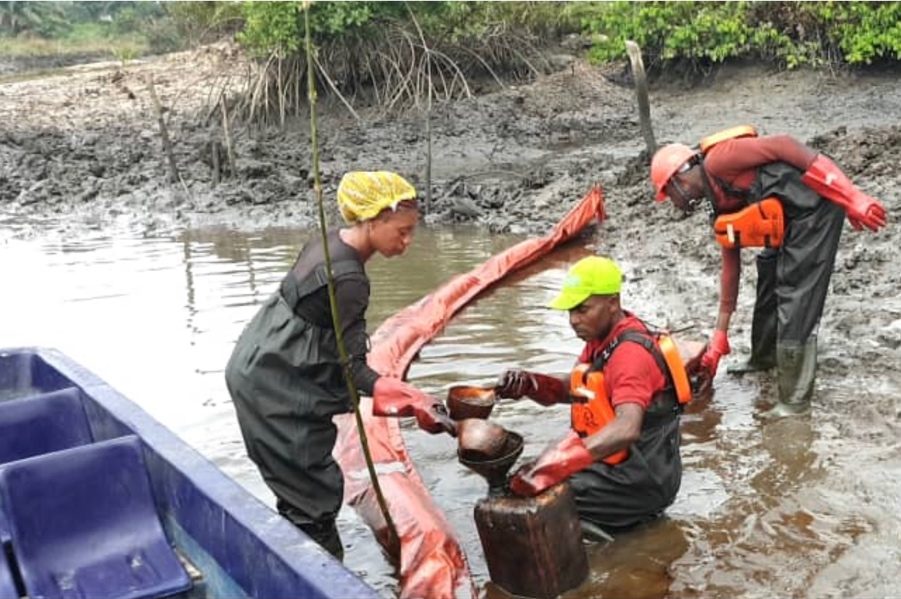
Collecting field data on air, water, soil, noise and ecology.
Impact prediction & modelling
Using analytical tools to forecast potential environmental and social impacts.
Mitigation & management planning
Designing controls to prevent, reduce or offset negative impacts.
Stakeholder engagement & public consultation
Conducting community and agency meetings throughout the study.
Environmental Monitoring Plan (EMP)
Outlining parameters, frequency and methods for project monitoring.
Regulatory submission & approval support
Preparing EIA reports and facilitating review hearings.
Post-approval compliance audits
Ensuring mitigation measures are implemented and verified on-site.